


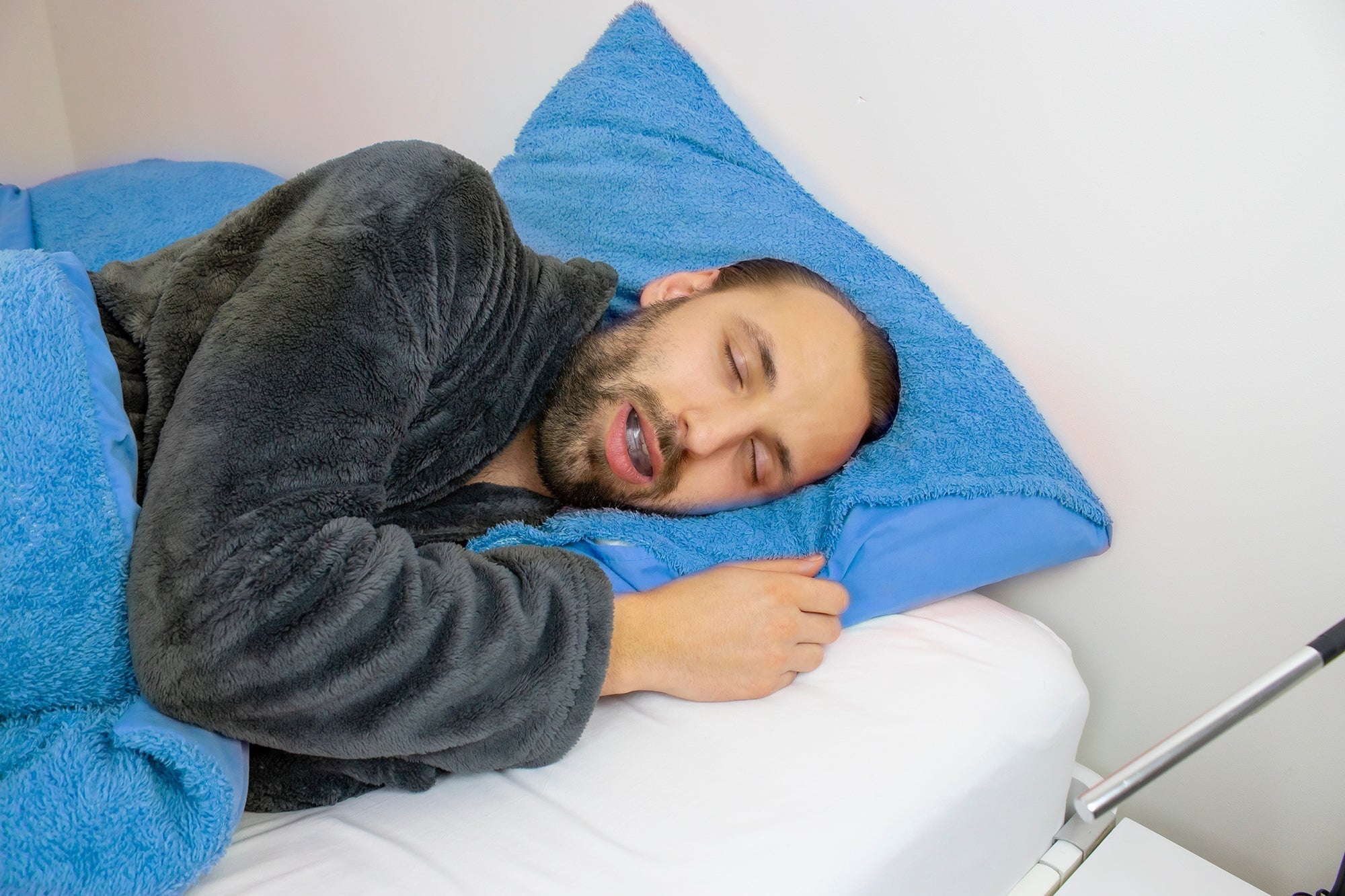
What is Deep Sleep?
Deep sleep, also known as slow-wave sleep (SWS), is a crucial phase of the sleep cycle that occurs primarily during the first half of the night. Characterized by delta waves in the brain, this phase is the deepest form of non-REM (Rapid Eye Movement) sleep and is essential for physical and mental recovery. Unlike lighter sleep stages, during deep sleep, the activity of your body and brain decreases significantly, allowing for extensive recovery and growth processes.
Benefits of Deep Sleep
- Physical RecoveryDuring deep sleep, the body repairs muscles, tissues, and cells. This phase is crucial for muscle growth, immune function, and overall physical health.
- Cognitive FunctionDeep sleep contributes to the consolidation of memories, helping to process and store new information. It also supports problem-solving skills and learning.
- Emotional WellbeingSufficient deep sleep regulates mood and reduces stress levels. It plays an important role in emotional processing and resilience.
- Hormonal BalanceGrowth hormone production peaks during deep sleep, which aids growth and development, especially in children and adolescents. It also helps regulate insulin, which affects metabolism and energy levels.
Tips and Tricks to Improve Deep Sleep
Achieving sufficient deep sleep can be challenging, but it's definitely worth it. Here are some effective strategies to extend your deep sleep:
Lifestyle and Environmental Adjustments
- Consistent Sleep ScheduleGo to bed and wake up at the same time every day, even on weekends. This helps regulate your internal clock and can improve the quality of your sleep.
- Sleep-friendly EnvironmentMake sure your bedroom is cool, dark, and quiet. Use blackout curtains, earplugs, or a white noise machine to minimize disruptions.
- Comfortable Bedding: Invest in a good quality mattress and pillows that support your body and reduce discomfort.
For a better sleep ritual. Also read this blog: The perfect sleep ritual: a step-by-step plan for better sleep
Diet and Supplements
- MagnesiumThis mineral helps relax muscles and improve sleep quality. Foods rich in magnesium, such as leafy greens, nuts, and seeds, or a magnesium supplement can be helpful.
- Melatonin: A natural hormone that regulates the sleep-wake cycle, melatonin supplements may help improve sleep.
- Herbal teaChamomile, valerian root, and lavender tea are known for their calming effects and can promote better sleep.
Sleep Aids and Tools
- Anti-snoring braces: These devices can help reduce snoring and improve airflow, making it easier to stay in deep sleep.
- Mouth tape: Taping your mouth at night can promote nosebleeds, which is beneficial for overall sleep quality.
- Sleep masks: Blocking out light can promote the production of melatonin, the hormone responsible for regulating sleep.
Healthy Habits
- Regular ExercisePhysical activity during the day can help you fall asleep faster and sleep more deeply. Avoid strenuous exercise right before bed, as this can be counterproductive.
- Limit Screen TimeReduce your exposure to blue light from phones, tablets, and computers at least an hour before bed. Blue light can disrupt melatonin production and disrupt your sleep cycle.
- Relaxation techniques: Practice relaxation techniques such as deep breathing, meditation, or progressive muscle relaxation to unwind before bed.
- Avoid Stimulants: Limit your caffeine and nicotine intake, especially in the afternoon and evening, as these can disrupt your ability to fall asleep and achieve deep sleep.
Conclusion
Deep sleep is essential for your overall health and well-being. By understanding its importance and applying these tips and tricks, you can improve your sleep quality and enjoy the many benefits a good night's rest brings. Remember, small changes can lead to significant improvements in your sleep patterns and overall health. So take a step toward better sleep tonight and feel the difference in your daily life.


Parts:
Discover the benefits of our DreamCare Anti-Snoring Mouthpiece: Improve your sleep and quality of life
Sleep Myths Debunked: What Really Works for Better Sleep?